Reasons Your WordPress Site Requires an SEO Audit Service: Core Advantages Described
An SEO audit service is fundamental for every WordPress website looking to improve its visibility and search engine rankings. It thoroughly detects latent issues that may hinder organic traffic and visibility. By resolving technical factors and improving content standards, the audit lays the groundwork for data-driven optimization choices. Grasping these core advantages can greatly impact a site's long-term growth. Despite this, a large number of site owners are uninformed of the precise benefits that an SEO audit can deliver.
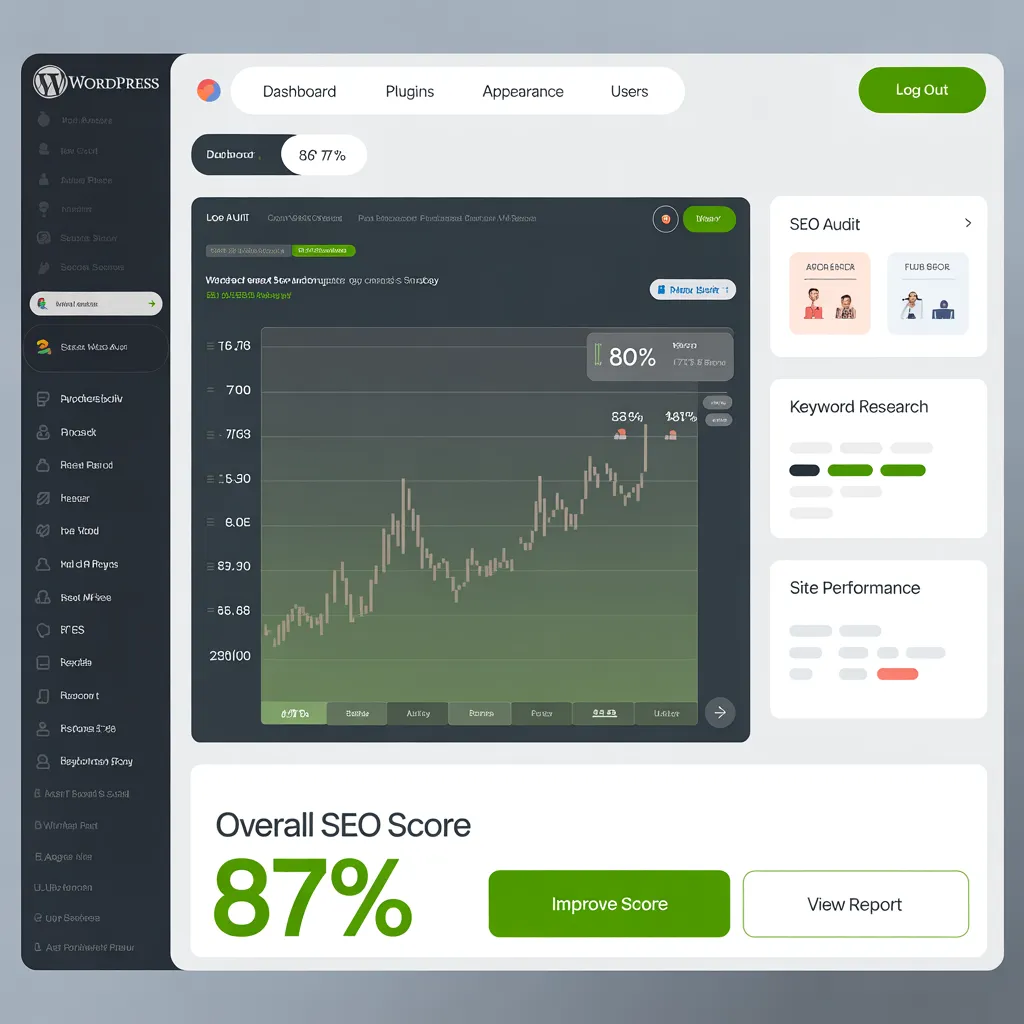
Why SEO Is Important for Your WordPress Site
Recognizing the significance of SEO for WordPress sites is essential for anyone aiming to strengthen their web presence. Search Engine Optimization, commonly known as SEO, functions as an essential process for increasing a website's prominence in search engine results, enabling prospective visitors to locate pertinent content with greater ease. For WordPress site owners, well-executed SEO strategies can significantly drive organic traffic and improve user engagement.
Beyond that, SEO serves to develop trust and expertise within a niche. By focusing on keyword optimization, accelerating site responsiveness, and providing a seamless mobile experience, WordPress sites can achieve better search engine rankings. This digital exposure not only drives increased traffic but also strengthens credibility with audiences. Moreover, with the competitive landscape of online content, executing comprehensive SEO methods is necessary for distinguishing your platform. Overall, mastering and implementing SEO principles is indispensable for maximizing the scope and efficiency of a WordPress site in today's competitive web space.
Detecting Hidden Problems Using an SEO Audit
An SEO audit acts as an essential tool for uncovering hidden issues that may hinder a WordPress site's overall functionality. Many site owners are unaware of core technical difficulties that can significantly harm their search engine visibility. By conducting a comprehensive audit, key technical elements such as site speed, mobile responsiveness, and broken links are assessed.
Furthermore, an audit can uncover content-related issues, including repeated content, keyword stuffing, or missing meta tags, which can reduce a web page's SEO impact. Besides this, the analysis of backlinks provides insight into the site's domain strength and potential spammy links that may hurt its credibility.
Increase Your Website's Visibility Using SEO
Enhancing a site's visibility with SEO demands a carefully considered approach that incorporates multiple techniques and best practices. Thorough keyword research is vital; it helps identify terms that potential visitors are searching for, enabling targeted content creation. On-page enhancement, including meta tags, headers, and internal linking, improves the significance of web pages, making them more appealing to search engines.
Furthermore, developing superior, engaging content that fulfills visitor expectations can greatly enhance a web page's standing and visibility. Cultivating a solid backlink profile is equally important, as it indicates to search engines that the website is reliable and worthwhile. Routinely maintaining content and ensuring it keeps its relevance further boosts visibility.
Finally, utilizing social media channels can drive traffic and increase exposure, supporting SEO strategies. By implementing these strategies, a WordPress website can enhance its visibility, draw in more users, and ultimately accomplish its online objectives.
Elevating User Experience Through Technical Enhancement
Elevating visitor experience on WordPress sites depends on several key technical optimizations. Faster site loading speeds, compatibility with mobile devices, and a simplified navigation layout play vital roles in keeping visitors engaged and lowering bounce rates. By addressing these areas, website owners can create a more engaging and accessible environment for users.
Enhanced Website Performance
Improving site speed is vital for maintaining an engaging user experience on WordPress sites. A speedy site considerably decreases bounce rates, encouraging visitors to remain on the page longer. People expect swift access to information; slowdowns can cause dissatisfaction and lost chances. An SEO audit service can detect performance obstacles such as bulky image files, unrefined code, or an abundance of plugins that reduce load speeds. By addressing these issues, website owners can enhance both user satisfaction and search engine rankings. Enhanced site speed not only encourages engagement but also increases conversions, as visitors are more inclined to fulfill desired actions when enjoying smooth interactions. Ultimately, prioritizing site speed through technical optimization is essential for a successful online presence.
Mobile Responsiveness Enhancement
Ensuring mobile responsiveness is essential for providing an optimal user experience on WordPress sites. As mobile device usage continues to rise, a site that responds effortlessly to multiple screen sizes can considerably improve visitor engagement. A thoroughly optimized mobile structure not only strengthens readability and navigation but also fosters longer session durations. Additionally, search engines favor mobile-friendly sites in their rankings, making responsiveness a critical factor for SEO success. Technical refinement, including rapid loading times and touch-responsive interfaces, leads to a seamless experience for users accessing content on smartphones and tablets. By implementing a thorough mobile responsiveness strategy, WordPress site owners can better meet user expectations, ultimately driving higher traffic and conversions.
Streamlined Navigation Structure
Even though a properly designed navigation system may look like an insignificant aspect, it serves a critical function in the complete browsing experience of a WordPress site. A well-optimized navigation structure allows users to find information quickly and intuitively, decreasing friction and improving overall involvement. When visitors can seamlessly browse through a website, they are increasingly inclined to visit several pages, boosting the likelihood of conversions. An experienced SEO audit provider assesses the existing navigation design and highlights areas that need refinement, ensuring that navigation menus remain intuitive and easy to use. Furthermore, enhancing navigation helps search engines crawl the site more effectively, positively impacting SEO rankings. In summary, a thoroughly enhanced navigation layout not only elevates the quality of user interaction but also strengthens the website's presence in search engine results.
Using Strategic Keywords to Drive Traffic
Within the realm of SEO, uncovering targeted keywords is vital for boosting visits to WordPress sites. By analyzing competitor strategies, site owners can uncover opportunities for optimization that may have been overlooked. Strategic content refinement centered on these specific keywords can greatly enhance visibility and engagement.
Discovering Relevant Keywords
Pinpointing the right keywords serves as a cornerstone for driving traffic to WordPress sites. By understanding the specific terms and phrases target audiences employ in search engines, webmasters can produce content that meets user intent. This process includes leveraging tools such as Ahrefs and Google Keyword Planner to uncover high-traffic, low-competition keywords. additional article Integrating these terms thoughtfully within site content, including meta descriptions, titles, and headings, boosts presence in search engine results. Additionally, focusing on long-tail keywords can attract a more targeted audience, boosting conversion potential. Regularly updating keyword strategies confirms the content keeps pace with changing search patterns, resulting in long-term traffic increases and enhanced website performance.
Assessing Competitor Strategies
A thorough analysis of rival company tactics uncovers important understanding into employing targeted keywords for traffic generation. By examining the search terms that competing sites prioritize, businesses can identify deficiencies and potential in their own search engine optimization strategies. This method facilitates the recognition of top-ranking search terms that might have gone unnoticed. Furthermore, recognizing the framework in which rival businesses employ these search terms can guide content strategy and contribute to crafting more engaging and targeted content. Monitoring competitors' backlink profiles also delivers competitive benefits, as it reveals prospective alliance options and credible websites to approach for link-building. At the end of the day, analyzing competitor strategies arms organizations with the understanding needed to improve their search term focus, thus improving their digital reach and generating more visits to their WordPress sites.
Streamlining Content Optimization
Effectively optimizing content demands a well-planned strategy for keyword integration that enhances both visibility and engagement. Through the use of targeted keywords, website owners are able to draw in targeted audiences and enhance search engine rankings. This process requires comprehensive keyword research to identify terms that resonate with potential visitors. When found, these keywords should be organically integrated into headings, subheadings, and across the content without compromising readability. Moreover, making use of long-tail keywords can capture niche traffic, further boosting relevance. Consistently revising and improving content based on engagement analytics also ensures that it stays current with shifting search trends. At its core, a targeted keyword strategy not only drives organic traffic but also enhances user experience, leading to higher conversion rates and sustained audience interest.
How to Track Your Success After an SEO Audit
Measuring progress after an SEO audit is essential for gauging the effectiveness of applied techniques. A reliable technique is to measure essential performance benchmarks such as KPIs such as conversion rates, organic traffic, and bounce rates. Tools like Google Analytics platform offer useful data into user behavior and engagement on the online platform.
In addition, tracking keyword rankings using platforms like SEMrush and Ahrefs can demonstrate enhancements in search performance. Evaluating pre-audit versus post-audit data allows site owners to gauge the influence of adjustments made.
Routinely monitoring these metrics over time helps identify shifts and areas calling for greater optimization. It is equally important to define precise, measurable targets to assess progress in measurable terms.
Ultimately, obtaining user feedback can deliver valuable insights into the impact of the adjustments, guaranteeing a complete evaluation of the SEO audit results. By systematically tracking these elements, digital marketers can refine their methods for ongoing improvement.
What to Anticipate From SEO Audit Services
SEO audit solutions offer an in-depth assessment of a website's overall performance and growth potential. Clients can expect a comprehensive review that addresses essential components such as page structure, keyword strategy, and content relevance. These services typically include in-depth technical reviews, uncovering concerns including dead links, delayed load times, and responsive design performance.
Furthermore, an audit analyzes on-page SEO factors, including meta tags, headings, and image optimization. Off-page components, like backlink profiles and social media presence, are also assessed. Most professional SEO audit services produce a thorough report outlining findings, together with actionable recommendations tailored to enhance visibility and user experience.
In essence, the primary objective of an SEO audit is to present website owners with a detailed plan for improving search engine rankings, increasing organic traffic, and ensuring long-term success in a demanding online marketplace. By leveraging these insights, businesses can make informed decisions to improve their WordPress sites with precision.
Common Questions and Answers
How Regularly Should I Run an SEO Audit for My Site?
An SEO audit should be conducted a minimum of once per year to confirm a website continues to be optimized for search engines. Nevertheless, more frequent audits—such as four times a year or semi-annually—are advisable for sites experiencing significant changes, like content modifications or site overhauls. Consistent audits assist in identifying technical issues, measure keyword success, and adapt to algorithm changes, ultimately enhancing the site's search visibility and usability. Keeping a regular schedule improves SEO performance and the long-term health of the site.
Is It Possible to Conduct an SEO Audit on My Own?
Indeed, someone can perform an SEO audit independently. A range of tools and materials are on hand to aid in this undertaking, allowing users to assess elements like site speed, keyword usage, and backlink quality. That said, while a personal audit can deliver insights, it may lack the expertise and depth that professional assistance offer. Consequently, individuals should weigh their skills and resources against the advantages of obtaining expert help for a more thorough evaluation.
What Are the Best Tools for SEO Audits?
A number of tools are prominent for executing SEO audits. Google Analytics provides insights into website traffic and user behavior. SEMrush is popular for its in-depth site analysis and keyword research. Ahrefs stands out for backlink analysis and competitor insights. Moz provides helpful metrics for on-page SEO improvements. Moreover, Screaming Frog is reliable for website crawling to pinpoint technical concerns. Every tool addresses particular requirements, making them essential for those seeking to improve their site's SEO results.
What Is the Duration of an SEO Audit?
An SEO audit typically takes anywhere from a few hours to several days, based on the size and complexity of the website. Smaller sites tend to require less time, whereas larger sites with many pages and features may require more thorough analysis. Additionally, the depth of the audit, whether it emphasizes technical elements, content, or backlinks, can influence the duration. At the end of the day, detailed audits deliver in-depth insights that support effective optimization strategies.
What Should I Do if My Site Has Zero Traffic?
If a website has no traffic at all, this could point to problems like poor SEO practices, lack of quality content, or inadequate promotion. Evaluating these factors is essential for identifying barriers to visibility. Implementing targeted strategies, such as optimizing keywords, improving the overall user experience, and leveraging social media can help attract visitors. Consistent tracking and modifications will additionally foster growth, ultimately driving traffic and improving overall site performance.
Comments on “WordPress SEO audit service for Speed Optimization”